Second Marriage in India: Free Sites and Finding a Partner
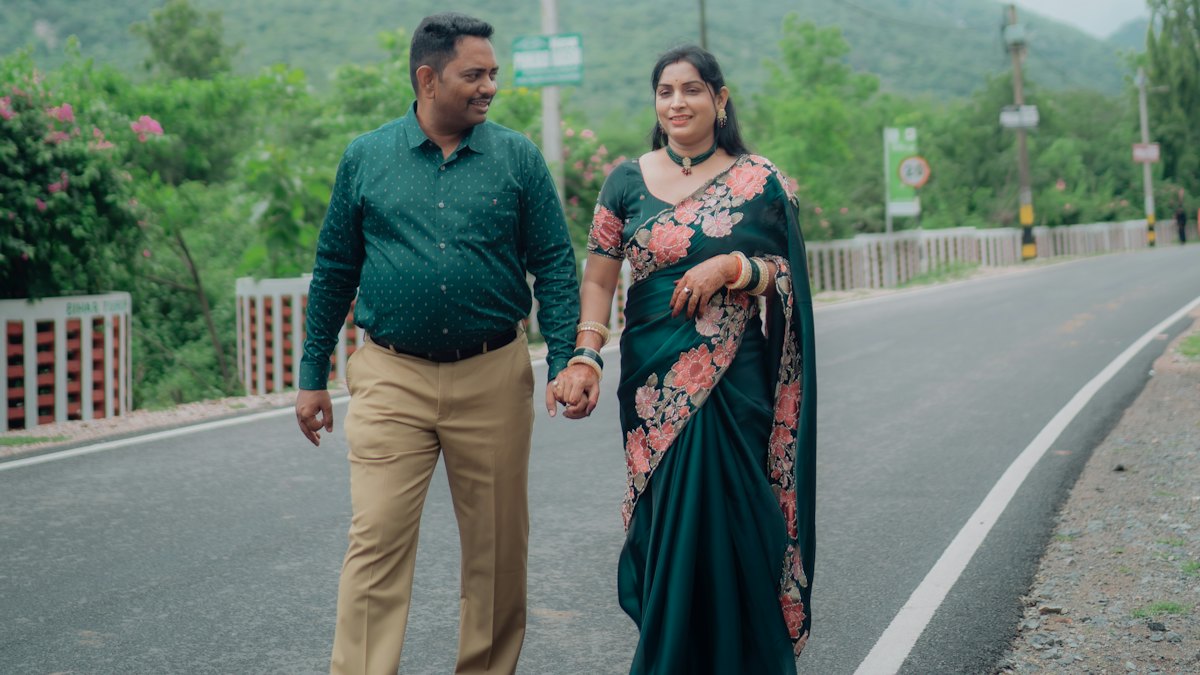
A second marriage after divorce or the death of a spouse is common in India today, and matrimonial sites are one of the easiest ways to find a partner who understands where you are in life. What matters most: be open about your marital status from the start, sort out the legal and family questions early, and take the time to check the person, not just the profile.
This guide covers choosing a free site, the profile, the search, the legal points, family and children, and staying safe.
Before you start: are you ready?
There is no right waiting time. Some people are ready a year after a divorce, others need much longer after losing a spouse. A few honest questions help:
- Can you talk about your previous marriage calmly, without anger or tears taking over?
- Are you looking for a partner, or mainly trying to fill a gap or satisfy family pressure?
- If you have children, have you thought about how a new person would fit into their lives?
If the answers are mostly yes, you are probably ready to start looking. If not, a few months of rest, or a conversation with a counsellor, is time well spent.
Free matrimonial sites for second marriage
You don't need a paid plan to find a partner for a second marriage. Before you choose a site, though, it helps to know what "free" usually means.
A remarriage site or a general one?
There are two kinds of site to choose from:
- Remarriage sites, made only for divorced, widowed and separated people. Everyone there is in a similar place, so nobody needs your history explained. The pool is smaller, though, especially outside big cities and for smaller communities.
- General matrimonial sites with a marital status filter. You can search only divorced or widowed members, and still meet never-married people who are open to a second marriage. The pool is usually much bigger.
Many people join one of each. Whichever you choose, set your own marital status honestly so the right people find you.
What "free" covers, and what it often doesn't
On many matrimonial sites, a free account lets you create a profile and browse. The things you actually need often cost money: sending a message, replying to one, or seeing a phone number. Before you spend time on a profile, check:
- Can you message for free, and reply for free? Some sites let paying members write to you, but you have to pay to answer.
- Is the free account time-limited? Watch for "free for 7 days" trials that turn into paid plans.
- Are profiles reviewed? A site that checks new profiles and photos has fewer fake ones. This matters more for second marriage, because fraudsters often target divorced and widowed members (see "Staying safe" below).
- Can you control your privacy? Look for settings to hide your photos or your whole profile, which helps if you would rather your colleagues or relatives didn't see it.
On FreeMarriage.com, creating a profile, searching, sending interests and messaging are all free. Every new profile and photo is checked by our team before other members can see it.
A word on "contact number" groups
Pages and WhatsApp groups that share "contact numbers" of divorced women or widows are best avoided. Numbers there are often shared without the person's consent, and they attract scammers. A site where people choose who to talk to, and share their number only when they're ready, is safer for both sides.
Dating apps or matrimonial sites?
Dating apps work for some divorced people, especially those who want to take things slowly. But most people on them aren't looking to marry, and you can't easily filter by marital status, religion or family values. If marriage is your aim, a matrimonial site saves you a lot of time.
Writing your profile
Your profile does most of the work. People looking for a second marriage are usually more serious and more practical than first-time seekers, and they appreciate clarity.
State your marital status clearly. Choose "Divorced" or "Widowed" in the marital status field, not "Never Married". Hiding it only wastes time and breaks trust the moment it comes out.
Give a little context, not the whole story. One line is enough, for example: "Divorced in 2023 by mutual consent" or "Widowed four years ago". Don't explain why the marriage ended or describe your former spouse. Save that for real conversations with someone you are getting to know.
Mention children plainly. Say how many, their ages and who they live with: "One daughter, 8, lives with me." Someone who isn't comfortable with that is not the right match, and it is better to know early.
Say who you are open to. A line such as "Open to divorced or widowed partners, with or without children" brings you far more suitable interest.
Keep the tone forward-looking. Write about your work, your routine, what you enjoy and the life you want next, the same as any other profile. A second marriage profile doesn't need to sound sad or apologetic.
Use recent, clear photos. A current photo matters more than a flattering old one.
Searching for a partner
On FreeMarriage.com, the search page has a Marital status filter with Never Married, Divorced and Widowed. Combine it with age, religion, location, education and profession to narrow things down. If you are open to both, run the search twice, once for Divorced and once for Widowed.
Don't rule out people who have never married. Many are open to marrying a divorcee or a widow or widower, especially in their thirties and older, and their profiles often say so.
When you find someone interesting, send an interest and wait for them to accept before sharing personal details.
Legal points to check before you marry again
This is the part most people skip, and it can cause serious problems later. In short: your previous marriage must be legally over, and so must your partner's.
If you are divorced: under the Hindu Marriage Act, 1955 (which also covers Sikhs, Jains and Buddhists), Section 15 allows a divorced person to marry again once there is no right of appeal against the divorce decree, or the time to appeal has passed without an appeal, or an appeal has been dismissed. Under Section 28, an appeal must be filed within 90 days of the decree, so in practice you wait until that period has passed without an appeal. A divorce by mutual consent is rarely appealed, since both of you asked for it, but check with your lawyer when you are free to marry. Keep a certified copy of your divorce decree safe; you will need it.
If you are widowed: keep your late spouse's death certificate ready.
When registering the new marriage: the registrar will usually ask for the divorce decree or the death certificate of the previous spouse, along with the normal documents such as proof of age, address and photographs. Requirements differ a little between states and between the Hindu Marriage Act and the Special Marriage Act, so check with your local marriage registrar.
For Muslims: a man can remarry once his earlier marriage has ended. A woman first completes the waiting period called iddat: three months after a divorce, or four months and ten days after her husband's death. Nyaaya explains the rules in plain language.
For Christians: under Section 57 of the Indian Divorce Act, 1869, either person may marry again once the time to appeal the divorce decree has passed without an appeal, or an appeal has been dismissed.
If you are unsure about your own case, speak to a family lawyer or the person who will conduct the marriage.
Check your partner's status too. It is fair to ask to see a divorce decree or death certificate before the marriage. Under the Hindu Marriage Act and the Special Marriage Act, marrying someone whose earlier marriage is still legally in force makes the new marriage void. A genuine partner will understand why you ask.
Children, property and money
Talk about these before the wedding, not after:
- Children: where they will live, how involved the new partner will be, and how the other parent fits in, if they are still part of the children's lives.
- Maintenance or alimony: whether either of you pays or receives it, and for how long.
- Property and savings: what each of you brings, and whether anything is set aside for children from the earlier marriage. Many people write a will after a second marriage so that everyone's intentions are clear; a lawyer can explain how inheritance works for children from both marriages.
- Day-to-day money: joint account, separate accounts, or both.
These conversations can feel awkward, but people who have been married before usually appreciate honesty about them.
Talking to your family
In many Indian families, a second marriage still needs some explaining, especially to older relatives. A few things help:
- Tell your closest family first, before you are serious about someone, so they don't feel ambushed.
- Let them see your reasons: companionship, a stable home for your children, a partner for the years ahead.
- Involve them once you have a serious match, the same as for a first marriage. Meeting the other family early often settles a lot of worries.
- Expect some resistance, and give it time. Many parents who hesitate at first come round once they meet a kind, steady person.
If you have adult children, talk to them early too. Their support makes a real difference.
Staying safe
Divorced and widowed people, especially women who live alone or have savings, are sometimes targeted by fraudsters on matrimonial and social sites. Watch for:
- Someone who declares strong feelings very quickly but always has a reason not to meet or video call.
- Any request for money, however convincing the story: a medical emergency, customs fees for a gift, a business problem.
- Pressure to move off the site to private chat within the first message or two.
- Vague answers about their own divorce, job or family.
Meet in a public place, tell someone you trust where you are going, and don't share bank details, OTPs or documents. You can also limit who sees your photos (Everyone, logged-in members only, or only members whose interest you have accepted) and hide your profile from search in your account settings. Read our safety tips before you meet anyone.
A fresh start
A second marriage often begins with more clarity than the first. You know yourself better, you know what matters in daily life, and you are less likely to be swept along by outside expectations. Be honest, be patient, and give yourself permission to be happy again.
FreeMarriage.com is free to join and free to use. Create your profile, set your marital status, and start searching today.